



Craig Applegath y el proyecto de madera en masa sin carbono
In 2022 Q2, we will be speaking to Craig Applegath, architect, urban designer, and zero-carbon building pioneer, on the Constructive Voices Podcast.
Craig has an impressive career that has seen him internationally recognised for his design and advocacy of zero-carbon regenerative buildings and cities, as well as mass timber design.
Training first as a biologist at the University of Toronto, before completing a Master’s of Arquitectura de interiores in Urban Design at Harvard University. This amalgamation of biology and architecture has driven Craig’s passion for planning and design solutions that make sense in a world challenged by climate change and environmental deterioration.
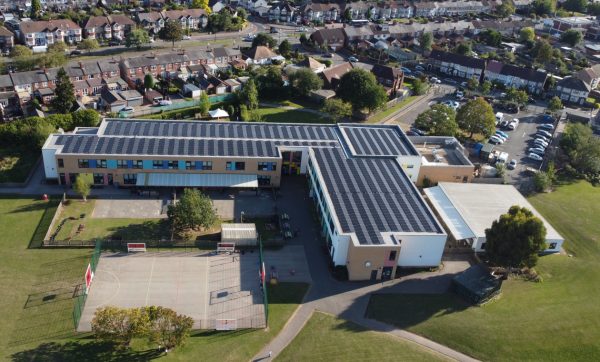
Craig is a founding partner of DIALOG’s Toronto studio, where his role includes master planning and designing institutional projects like higher education and healthcare facilities, such as the recent Centennial College Zero-Carbon Mass Timber project.
Proyecto de madera maciza sin emisiones de carbono de Centennial College
El Proyecto de Madera en Masa de Cero Carbono de Centennial College es un edificio de educación superior de madera en masa de inspiración autóctona, sin emisiones de carbono. La ampliación de seis pisos proporcionará 150,000 pies cuadrados de espacio de programación académica para la Escuela de Ingeniería Technology and Applied Science programs. The design for the expansion was based on the Indigenous concept of “two-eyed seeing,” in which people view the world through an Indigenous lens with one eye or perspective, while the other eye sees through a Western lens.

Al llevar este proyecto de madera masiva sin carbono a un nuevo nivel, literalmente, Craig participa en el prototipo de torre de madera híbrida “Supertall” de DIALOG, donde el uso general de madera recolectada de manera sostenible se maximiza en una torre elegante, altamente rentable y energéticamente eficiente. .
"Torre de madera híbrida "supertall"
The “Supertall” Hybrid Wood Tower, at 105-storeys tall, was designed to showcase the potential of mass timber in improving both building sustainability and overall design and to challenge the belief that tall buildings cannot be zero carbon.

The “Supertall” Hybrid Wood Tower is among the most technically challenging structures to design, but it’s also a perfect typology for testing the limits of sustainable mass timber design and zero carbon design.
El diseño es flexible para que un posible socio de desarrollo pueda ajustar los parámetros y elementos del diseño, como la altura y la placa del piso, para adaptarse a un sitio en particular. El sistema patentado de paneles de piso de madera híbridos utiliza varillas de acero para agregar resistencia a la tracción a los paneles de madera contralaminada prefabricados para las paredes del edificio. Esto significa que la pared puede soportar peso adicional.
The environmental sustainability of the building has many elements. One of the main ones is the carbon-capturing ability of wood itself. The photosynthesis process requires carbon in order to grow trees, meaning wood construction removes carbon from the atmosphere and holds it within the building. A building constructed to the exact specifications of DIALOG’s pitch would store more than 36,000 tons of carbon.

La energía fotovoltaica integrada en las fachadas sur, este y oeste puede suministrar energía al edificio con almacenamiento en baterías para la energía adicional generada durante las horas de menor actividad.
El diseño del edificio también incluye biorreactores de algas. Son reactores de 1,500 metros cúbicos que utilizan las emisiones de carbono Cultivar algas. Estas algas pueden utilizarse como fuente secundaria de ingresos para la alimentación humana o animal, biocombustible y otros productos. Los reactores podrían absorber el exceso de emisiones, garantizando así un edificio neutro en carbono.
Para tener en cuenta el efecto que juega el viento en las estructuras altas, la estructura tiene una forma ortogonal, curvándose suavemente para encontrarse con el suelo, transmitiendo cómo se transporta la carga hasta el suelo. Esto recuerda la forma en que el tronco de un árbol realiza la misma tarea cuando se encuentra con la tierra.
Imperativo del siglo XXI Podcast
Craig also hosts the Twenty First Century Imperative, a podcast that explores the question of how we will continue to live on our planet without destroying our biosphere. The podcast series that explores the insights, approaches, experiences of change-makers from various backgrounds, who are finding smart, effective ways to answer one or more of the three critical challenges of the Twenty First Century Imperative:
- ¿Cómo seguiremos viviendo en nuestro planeta sin destruir nuestra biosfera?
- ¿Cómo repararemos y regeneraremos el daño ambiental que ya hemos causado?
- ¿Cómo nos adaptaremos con éxito a los crecientes impactos del cambio climático?
Craig also writes, speaks and teaches about his research and design explorations at conferences and workshops internationally, including the UN Habitat III Conference in Prague, the World Future Council Conferences in Munich and Beijing, at the International Living Futures Institute Conference in Portland, and most recently, at the Conferencia de estudiantes del Instituto Americano de Arquitectos en Toronto.



Episodio 27: Craig Applegath y el proyecto Zero Carbon Mass Timber - Constructive Voices Radio & Podcast
Hace años 3[…] En el episodio 27 del podcast Constructive Voices, Henry Mc Donald habla con Craig Applegath, arquitecto, diseñador urbano y pionero de la construcción con cero emisiones de carbono, para hablar sobre su trabajo con DIALOG en […]