


Futuros urbanos sostenibles: cómo las ciudades poscrecimiento están marcando el camino
Welcome to our exploration of the exciting new concept of post-growth cities and their significance in the context of sustainable urban futures. In this article, we will delve into the importance of sustainable development, green urban planning, and sustainable urbanization in creating environmentally friendly cities. We will also discuss the rise of post-growth cities and the factors driving this trend, as well as the innovative approaches these cities are taking towards building sustainable infrastructure, revolutionizing transportation, embracing urban agriculture, and engaging citizens in decision-making processes.
As we face the challenges of climate change and rapid urbanization, post-growth cities are leading the way in creating resilient, regenerative, and sustainable urban environments. By prioritizing eco-friendly infrastructure, promoting green spaces, and embracing citizen participation, post-growth cities are demonstrating how we can build a better future for ourselves and the planet.
Puntos clave:
- Las ciudades en poscrecimiento están liderando el camino hacia futuros urbanos sostenibles.
- El desarrollo sostenible, la planificación urbana verde y la urbanización sostenible son cruciales para crear ciudades respetuosas con el medio ambiente.
El auge de las ciudades poscrecimiento
Post-growth cities are increasingly becoming popular as an innovative model for sustainable urban futures. These cities are designed with a focus on urban resilience, circular economy, and regenerative design principles. They prioritize the needs of citizens, the environment, and the economy, ensuring that each stakeholder benefits in the long run.
One of the key factors driving the rise of post-growth cities is the need for urban resilience. Climate change has led to an increase in natural disasters, urbanization, and population growth, resulting in a greater need for cities to be adaptable and resilient. As such, post-growth cities are built to withstand environmental shocks and stresses.
The adoption of circular economy principles is also a significant driver in the rise of post-growth cities. These principles seek to reduce waste, maximize resource use, and promote sustainable consumption and production. Post-growth cities embrace a circular economy by implementing sustainable infrastructure, embracing green spaces, and promoting sustainable transportation options.
Regenerative design practices, which focus on creating systems that are self-regulating and sustainable, are also central to post-growth city planning. These cities prioritize the regeneration of natural systems, the promotion of , and the design of buildings and infrastructure that have a positive impact on the environment.
Some examples of post-growth cities leading the way include Amsterdam, which has implemented a circular economy strategy that encompasses energy, water, and waste management, and San Francisco, which has set a goal of zero waste by 2020. Barcelona is also working towards becoming a self-sufficient city through the promotion of urban agriculture and a focus on low-carbon transportation.

Fuente de la imagen: https://seowriting.ai/32_6.png
Construyendo infraestructura sostenible
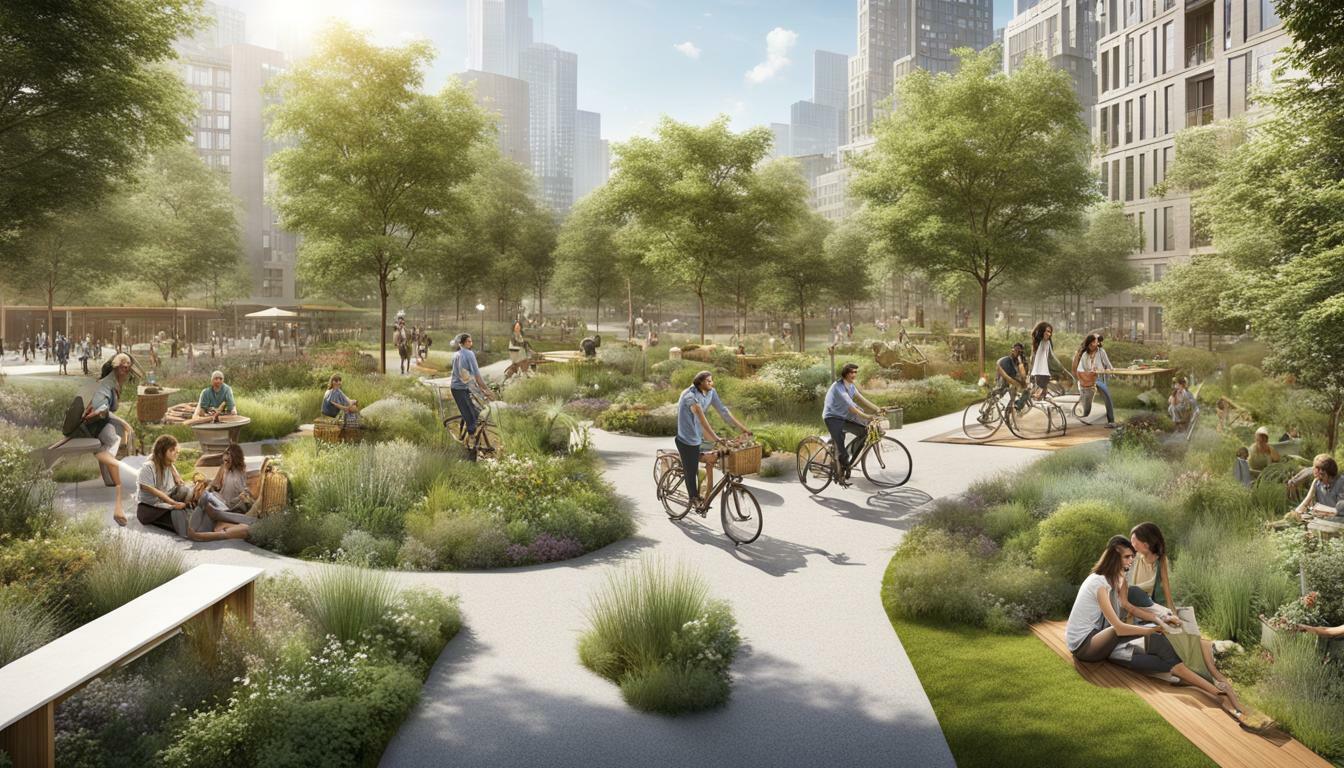
Las ciudades en poscrecimiento reconocen la necesidad de una infraestructura ecológica para garantizar un futuro urbano sostenible. Una forma en que las ciudades lo están logrando es mediante la promoción de espacios verdes. Los espacios verdes no sólo son estéticamente agradables, sino que también aportan numerosos beneficios a las zonas urbanas.
Research has shown that green spaces can improve air quality, reduce the urban heat island effect, and provide habitats for urban wildlife. Additionally, these spaces can improve the overall well-being of citizens by providing places to exercise, relax, and connect with nature. Post-growth cities are prioritizing the development of green spaces by incorporating them into urban planning and design.
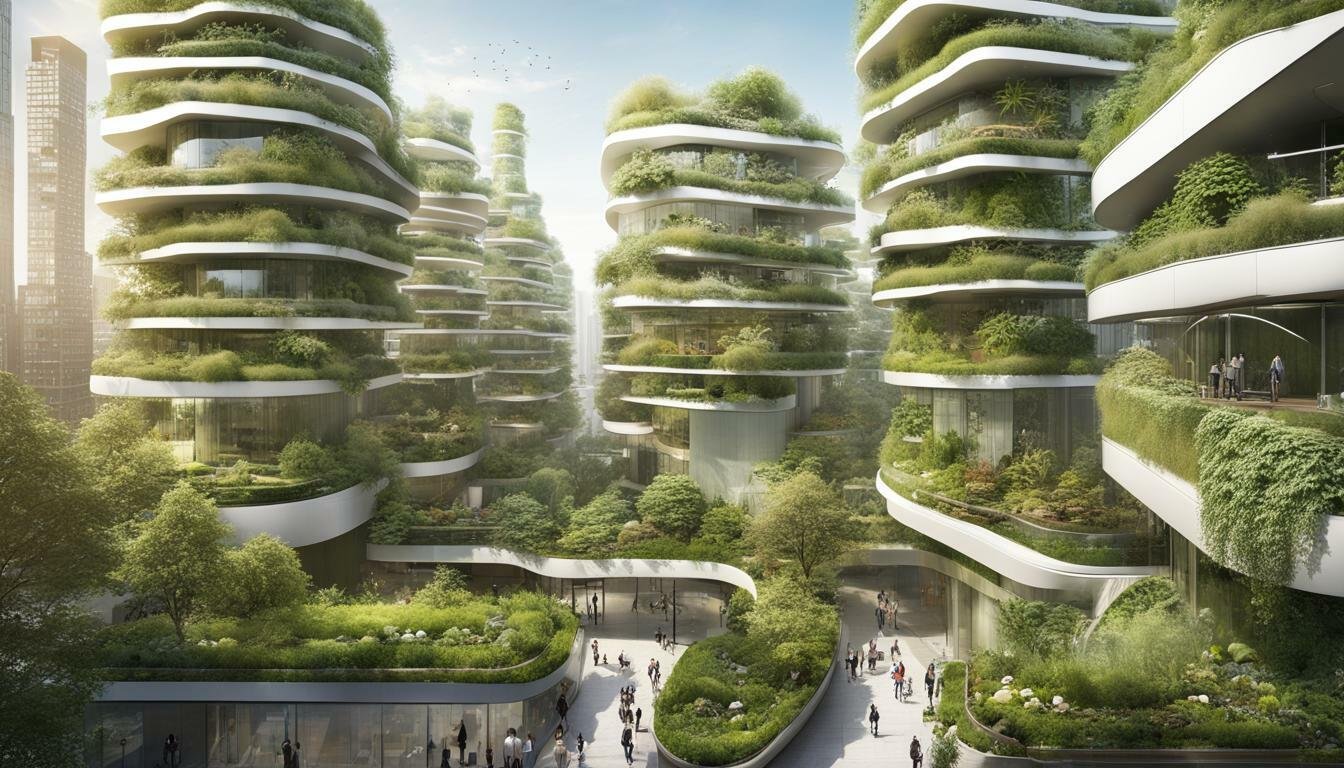
Urban planners are also exploring new ways to create eco-friendly infrastructure. This includes the implementation of green roofs, which are covered in vegetation and help to regulate building temperatures while also improving air quality. Furthermore, cities are investing in sustainable drainage systems to manage stormwater runoff. These systems mimic natural water cycles and help to reduce the risk of floods while also providing habitats for wildlife.

Overall, building sustainable infrastructure is essential for the long-term health and resilience of post-growth cities. By prioritizing eco-friendly infrastructure and green spaces, these cities are creating more liveable urban environments for their citizens while also protecting the planet.
Revolucionando el transporte
Transportation is one of the biggest contributors to carbon emissions in urban areas. Post-growth cities are taking innovative steps towards reducing their carbon footprint by introducing low-carbon transportation options.
Los vehículos eléctricos son cada vez más populares en las zonas urbanas, y muchas ciudades en post-crecimiento están incentivando su uso proporcionando infraestructura de carga y promoviendo sus beneficios. Además, se está ampliando y mejorando la infraestructura para bicicletas, haciendo que sea más fácil y seguro para los ciudadanos utilizar la bicicleta como forma de transporte.
Las redes de transporte público eficientes también son una prioridad en las ciudades en post-crecimiento. Estas redes, como trenes de alta velocidad, tranvías y autobuses que funcionan con combustibles de bajas emisiones, reducen la congestión en las carreteras y mejoran la calidad del aire.
Al priorizar opciones de transporte bajas en carbono, las ciudades en poscrecimiento no solo están reduciendo su huella de carbono sino también mejorando la calidad de vida de sus ciudadanos con un aire más limpio y menos embotellamientos.

Adoptando la agricultura urbana
Post-growth cities are turning to urban agriculture as a means of promoting local food production, enhancing community resilience, and improving food security. With the world’s population projected to reach 9.7 billion by 2050, it has become imperative to find innovative ways to feed the growing urban population sustainably. Urban agriculture presents a viable solution to this challenge.
One innovative approach to urban farming is vertical agriculture. This involves growing crops in vertically stacked layers, using minimal space and resources. Vertical farms can produce up to 100 times more food per square foot than traditional farming methods and require 70% less water. Cities such as Singapore and Hong Kong have embraced this technology, with vertical farms sprouting up in their urban landscapes.

Otro enfoque es la integración de espacios de cultivo de alimentos dentro de los paisajes urbanos. Ciudades como Detroit y Chicago han transformado lotes baldíos y edificios abandonados en jardines comunitarios, proporcionando productos frescos a los residentes locales y fomentando un sentido de comunidad. Este enfoque no sólo produce alimentos sino que también realza el atractivo estético de la ciudad.
Urban agriculture also provides an opportunity for citizens to engage in food production and to learn about sustainable living practices. Cities such as Berlin have implemented urban farming education programs, providing citizens with the skills and knowledge to grow their food sustainably, promoting citizen participation and engagement in creating sustainable urban futures.
Compromiso y participación ciudadana
El compromiso y la participación ciudadana son cruciales para lograr una urbanización sostenible en las ciudades post-crecimiento. Cuando los ciudadanos participan activamente en los procesos de toma de decisiones, se involucran más en el resultado y es más probable que apoyen y adopten iniciativas sostenibles.
Examples of successful citizen engagement in post-growth cities include Amsterdam’s “City-zen” project, which involved citizens in the implementation of sustainable energy initiatives, and Barcelona’s “Superblocks” project, which engaged local communities in the transformation of their neighbourhoods into car-free zones.
La participación ciudadana puede adoptar diversas formas, incluidas consultas públicas, presupuestos participativos y procesos de cocreación. Al involucrar a los ciudadanos en la planificación y el desarrollo de sus ciudades, las ciudades en poscrecimiento pueden garantizar que las iniciativas se adapten a las necesidades específicas de sus comunidades.
Además, el compromiso y la participación ciudadana pueden ayudar a generar confianza entre las autoridades locales y los ciudadanos, creando un sentido de propiedad sobre las iniciativas sostenibles y promoviendo el apoyo y la adopción a largo plazo.
Ejemplos de participación ciudadana en ciudades de poscrecimiento
In Vancouver, the city’s Greenest City Action Plan involved extensive public consultations, with over 15,000 residents contributing ideas and feedback on the plan’s development. As a result, the plan includes initiatives such as expanding green space, increasing cycling infrastructure, and reducing waste in local businesses.
The city of Freiburg in Germany has implemented participatory budgeting, empowering citizens to decide on the allocation of public funds for sustainable initiatives such as energía renovable and energy-efficient buildings. This approach has led to high levels of citizen engagement, with over 20% of the population participating in the budgeting process.

"Involucrar a los ciudadanos en el desarrollo de iniciativas sostenibles puede conducir a mejores resultados, mayor apoyo y comunidades más fuertes".
Superando Desafíos y Barreras
A pesar de los numerosos beneficios de las ciudades en poscrecimiento, existen varios desafíos y barreras que deben superar para lograr una urbanización sostenible. La resistencia política suele ser un obstáculo importante, ya que muchos políticos y formuladores de políticas dudan en implementar nuevas políticas que pueden ser impopulares entre sus electores.
La falta de financiación es otra barrera importante, ya que muchas iniciativas de poscrecimiento requieren inversiones sustanciales en nuevas infraestructuras y tecnologías. Esto puede resultar particularmente difícil para las ciudades de los países en desarrollo, donde los recursos suelen ser limitados.
Por último, es crucial la necesidad de marcos normativos y normativos que apoyen el desarrollo sostenible. Sin una orientación clara de los funcionarios gubernamentales y otras partes interesadas, puede resultar difícil para las ciudades en post-crecimiento implementar nuevas iniciativas y lograr avances reales hacia la urbanización sostenible.
A pesar de estos desafíos, muchas ciudades en post-crecimiento están logrando avances significativos en la promoción del desarrollo sostenible y la creación de espacios urbanos amigables con el medio ambiente. Al trabajar en colaboración con ciudadanos, formuladores de políticas y otras partes interesadas clave, estas ciudades están liderando el camino hacia un futuro urbano más sostenible y resiliente.

Conclusión
En conclusión, las ciudades en poscrecimiento están liderando el camino hacia futuros urbanos sostenibles mediante la adopción de una planificación urbana verde, una urbanización sostenible y la participación ciudadana. Estas ciudades priorizan el desarrollo de infraestructura ecológica, transporte con bajas emisiones de carbono y agricultura urbana para promover la producción local de alimentos y mejorar la resiliencia de las comunidades. La integración de los principios de la economía circular y las prácticas de diseño regenerativo también juega un papel vital para hacer que las ciudades sean más sostenibles.
Desafíos y barreras
Sin embargo, las ciudades en poscrecimiento también enfrentan desafíos y barreras, como la resistencia política y la falta de financiación. Los marcos normativos y normativos deben apoyar el desarrollo sostenible para garantizar que estas ciudades puedan continuar su viaje hacia un futuro más respetuoso con el medio ambiente.
Despite these challenges, the rise of post-growth cities provides hope for a more sustainable future. Citizen engagement and participation are essential in shaping the urban landscape, and initiatives that involve the community in decision-making processes have shown positive results in promoting sustainable urbanization.
En general, las ciudades post-crecimiento sirven como modelo para las ciudades del mañana. Sus esfuerzos por promover el desarrollo sostenible, la planificación urbana verde y la participación ciudadana han abierto el camino hacia un futuro más ecológico. Es crucial que sigamos apoyando y aprendiendo de estas ciudades mientras luchamos por un mundo más sostenible.
Preguntas Frecuentes
P: ¿Qué son las ciudades post-crecimiento?
R: Las ciudades en poscrecimiento son áreas urbanas que priorizan el desarrollo sostenible, la planificación urbana verde y la urbanización sostenible para crear ciudades respetuosas con el medio ambiente.
P: ¿Qué factores están impulsando el surgimiento de ciudades en poscrecimiento?
R: El surgimiento de las ciudades de poscrecimiento está impulsado por la necesidad de resiliencia urbana, la adopción de principios de economía circular y la integración de prácticas de diseño regenerativo.
P: ¿Cómo priorizan las ciudades en poscrecimiento la infraestructura sostenible?
R: Las ciudades en poscrecimiento priorizan el desarrollo de infraestructura ecológica, incluida la promoción de espacios verdes, para mejorar la calidad del aire, preservar la biodiversidad y mejorar el bienestar general de los ciudadanos.
P: ¿Cómo se están revolucionando los sistemas de transporte en las ciudades en post-crecimiento?
R: Las ciudades en poscrecimiento están revolucionando los sistemas de transporte al implementar opciones bajas en carbono, como vehículos eléctricos, infraestructura para bicicletas y redes eficientes de transporte público.
P: ¿Cómo están adoptando la agricultura urbana las ciudades en poscrecimiento?
A: Post-growth cities are embracing urban agriculture to promote local food production, improve food security, and enhance community resilience. This includes innovative approaches to urban farming and integrating food-growing spaces within urban landscapes.
P: ¿Por qué es importante el compromiso y la participación ciudadana en las ciudades en poscrecimiento?
R: La participación ciudadana es crucial en el desarrollo y la implementación de iniciativas de poscrecimiento. Involucrar a la ciudadanía en los procesos de toma de decisiones tiene un impacto positivo en... desarrollo urbano sostenible.
P: ¿Qué desafíos y barreras enfrentan las ciudades en poscrecimiento?
R: Las ciudades en poscrecimiento enfrentan desafíos como la resistencia política, la falta de financiamiento y la necesidad de políticas y marcos regulatorios de apoyo para superar las barreras a la urbanización sostenible.