


Historia de la construcción sustentable en Eritrea
Eritrea has a rich history of green building practices, encompassing both modernist influences and traditional architectural techniques. Throughout its colonial past and into the present, the country has been committed to sustainable construction and eco-friendly design.
Puntos clave:
- Eritrea’s green building history is influenced by its colonial past and traditional architecture.
- During the Italian colonial period, Asmara saw the construction of modernist buildings, some of which are recognised as De importancia cultural según la UNESCO.
- Mud bricks, stone, and wood have been traditionally used in Eritrea’s sustainable construction practices.
- The government has implemented regulations to protect the environment, including the prohibition of plastic bags and sustainable management of water resources.
- Eritrea promotes community-led conservation efforts and tree planting initiatives to address deforestation and promote a healthier environment.

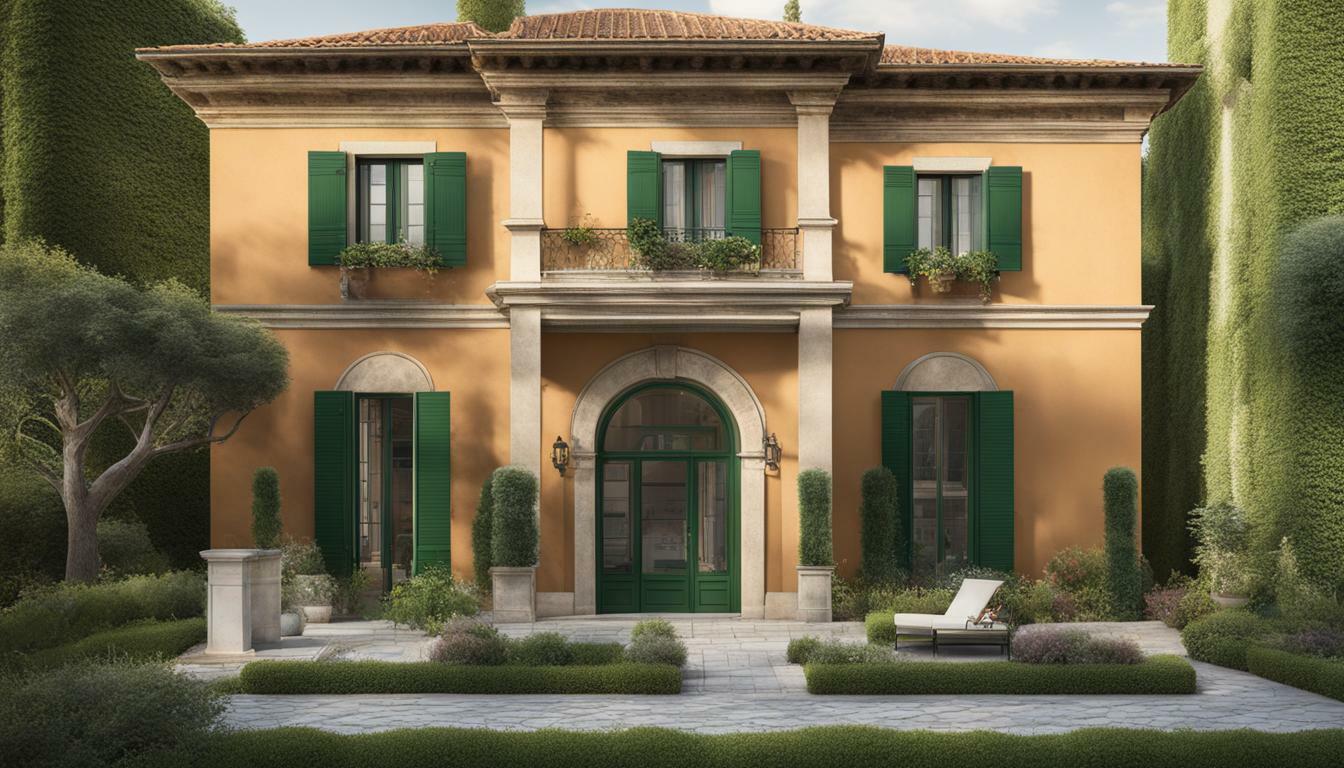
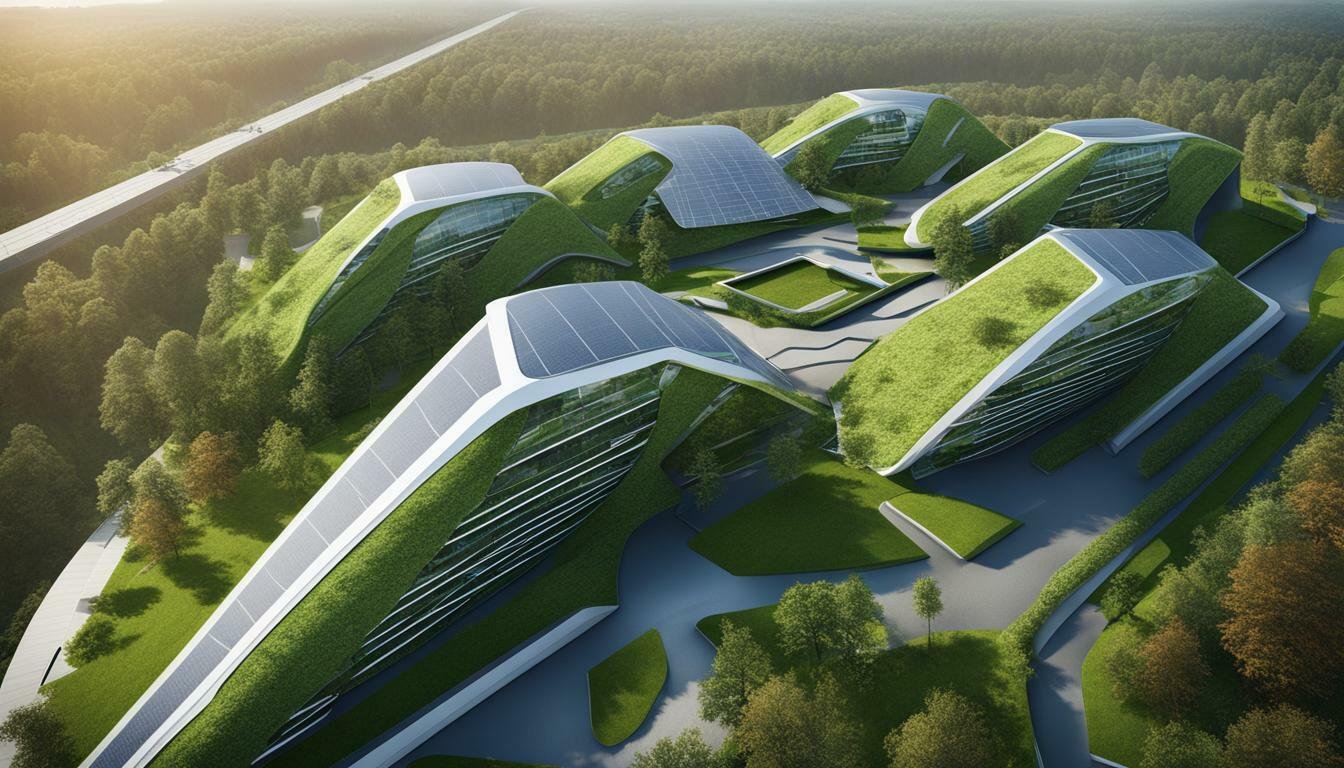
Eritrea Green Building History, AI representation
Época Colonial y Edificios Modernistas
During the Italian colonial period, Eritrea witnessed the construction of numerous modernist buildings in Asmara, the capital city. These architectural marvels still stand today, serving as a testament to Eritrea’s rich heritage and commitment to sustainable construction. Notably, the Fiat Tagliero petrol station and the Town Hall are recognized by UNESCO as culturally significant landmarks.
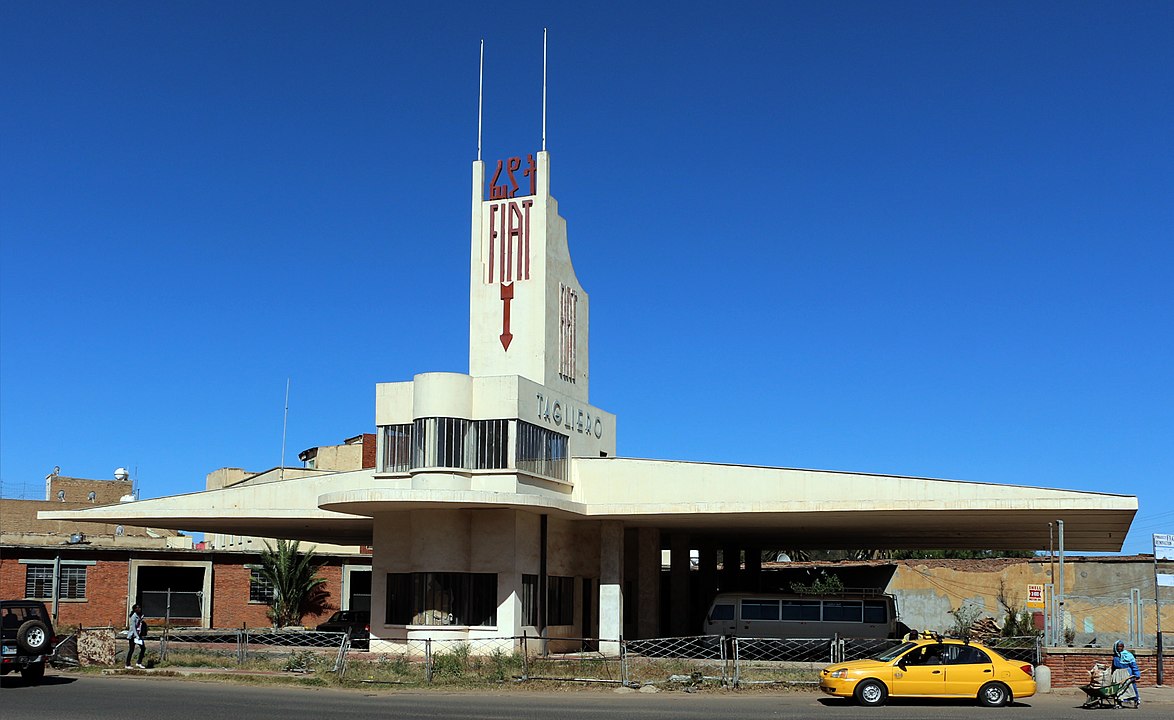
Por mí, Sailko, CC BY-SA 3.0, Enlace
La gasolinera Fiat Tagliero, diseñada por el arquitecto italiano Giuseppe Pettazzi, is a striking example of Eritrea’s eco-friendly architecture. Its futuristic design and use of sustainable materials made it a pioneering structure of its time. The station’s cantilevered roof, shaped like an airplane wing, showcases the ingenuity and creativity of Eritrea’s architects.
The Town Hall, another iconic modernist building, incorporates elements of both Italian Rationalism and local architectural traditions. Its symmetrical façade and elegant colonnades create a harmonious blend of colonial influences and Eritrean craftsmanship. The building’s use of natural light and ventilation further emphasises its eco-friendly design.
| Características clave de la época colonial y los edificios modernistas | Aspectos destacados arquitectónicos |
|---|---|
| Materiales de construcción sostenibles | Ladrillos de barro, piedra y madera. |
| Diseños innovadores | Techos voladizos, estructuras inspiradas en aviones. |
| Mezcla de influencias coloniales y locales | Racionalismo italiano y artesanía eritrea |
| Características ecológicas | Natural light, ventilation, and energy efficiency |
Eritrea’s colonial era and modernist buildings serve as sources of inspiration for contemporary architects and designers. They demonstrate the country’s commitment to sustainable construction practices and emphasise the importance of preserving Eritrea’s patrimonio arquitectónico para las generaciones futuras
Arquitectura tradicional y materiales de construcción sostenibles
Eritrea’s architectural heritage includes the use of sustainable building materials such as mud bricks, stone, and wood, which have been incorporated into modern designs. Throughout its history, Eritrea has relied on these locally sourced materials to construct not only basic residential houses but also significant cultural and religious structures like temples. The integration of traditional architectural features into modern buildings not only pays tribute to the country’s rich heritage but also promotes diseño sostenible .
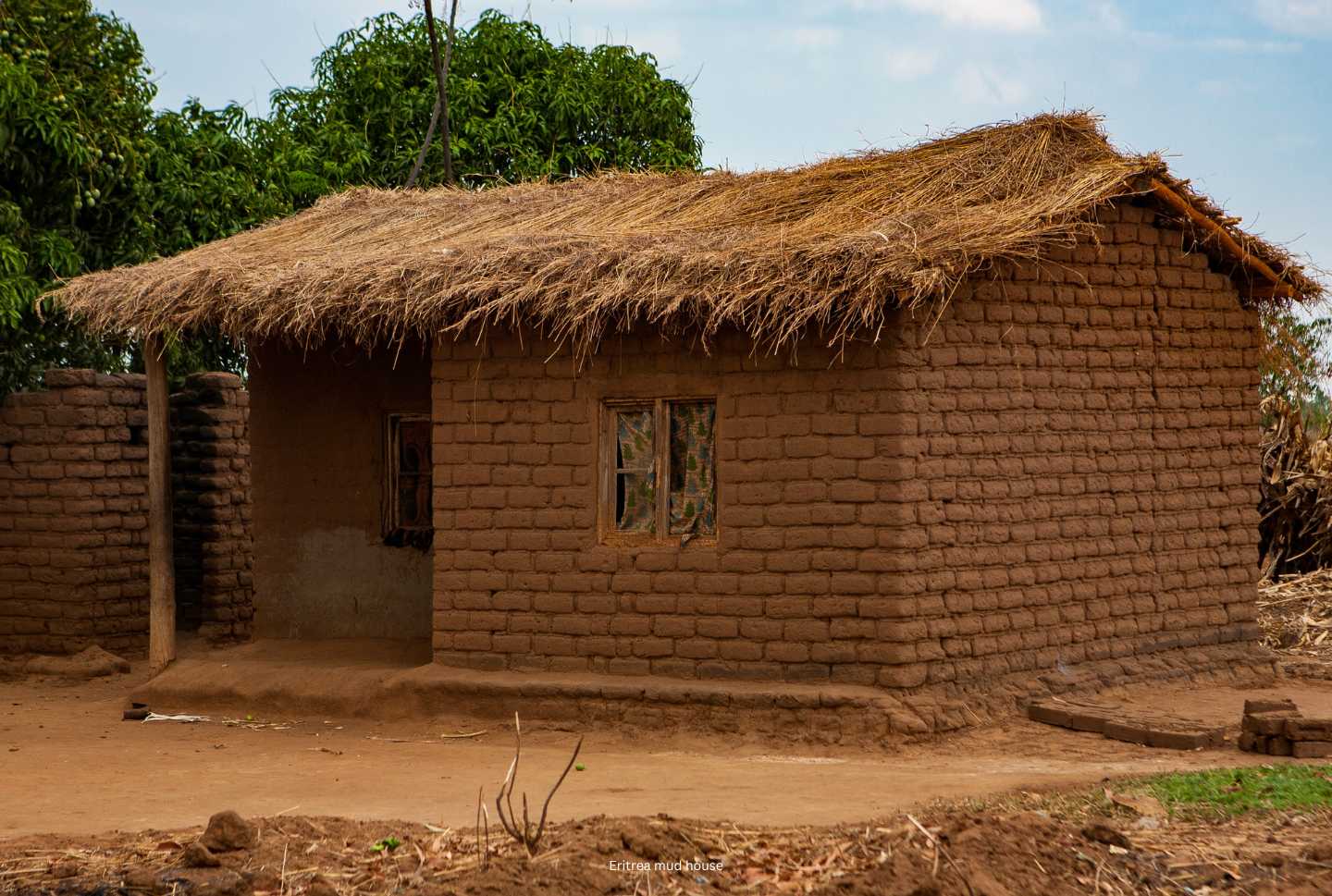 Las casas tradicionales de Eritrea, conocidas como zemene mesker, están construidas con ladrillos de barro, un material que ha demostrado ser duradero y respetuoso con el medio ambiente. Estos ladrillos se fabrican mezclando arcilla, arena y agua y luego se dejan secar al sol. El resultado es un material de construcción resistente y energéticamente eficiente que proporciona un aislamiento natural, manteniendo los interiores frescos durante los veranos calurosos y cálidos durante los inviernos fríos.
Eritrea’s use of stone in construction is also prevalent, particularly in areas with an abundance of natural resources. Stone buildings not only offer aesthetic appeal but also provide excellent thermal mass, further enhancing energy efficiency. The use of locally sourced wood, such as acacia, is another sustainable practice seen in Eritrean architecture. Wood is typically used for structural elements and interior finishes, adding warmth and character to the buildings.
“The integration of traditional architectural features into modern buildings not only pays tribute to the country’s rich heritage but also promotes sustainable design principles.”
This seamless blend of traditional and modern architectural practices in Eritrea not only showcases the country’s unique identity but also demonstrates its commitment to eco-friendly design. By incorporating sustainable building materials into contemporary structures, Eritrea contributes to the preservation of its architectural heritage while also reducing the environmental impact of construction.
El patrimonio arquitectónico de Eritrea en materiales de construcción sostenibles:
| Material | Beneficios |
|---|---|
| Ladrillos de barro | De origen local, energéticamente eficientes y que proporcionan aislamiento natural. |
| Piedra | Ofrece masa térmica y añade atractivo estético. |
| Madera | De origen local, añade calidez y carácter a los edificios. |

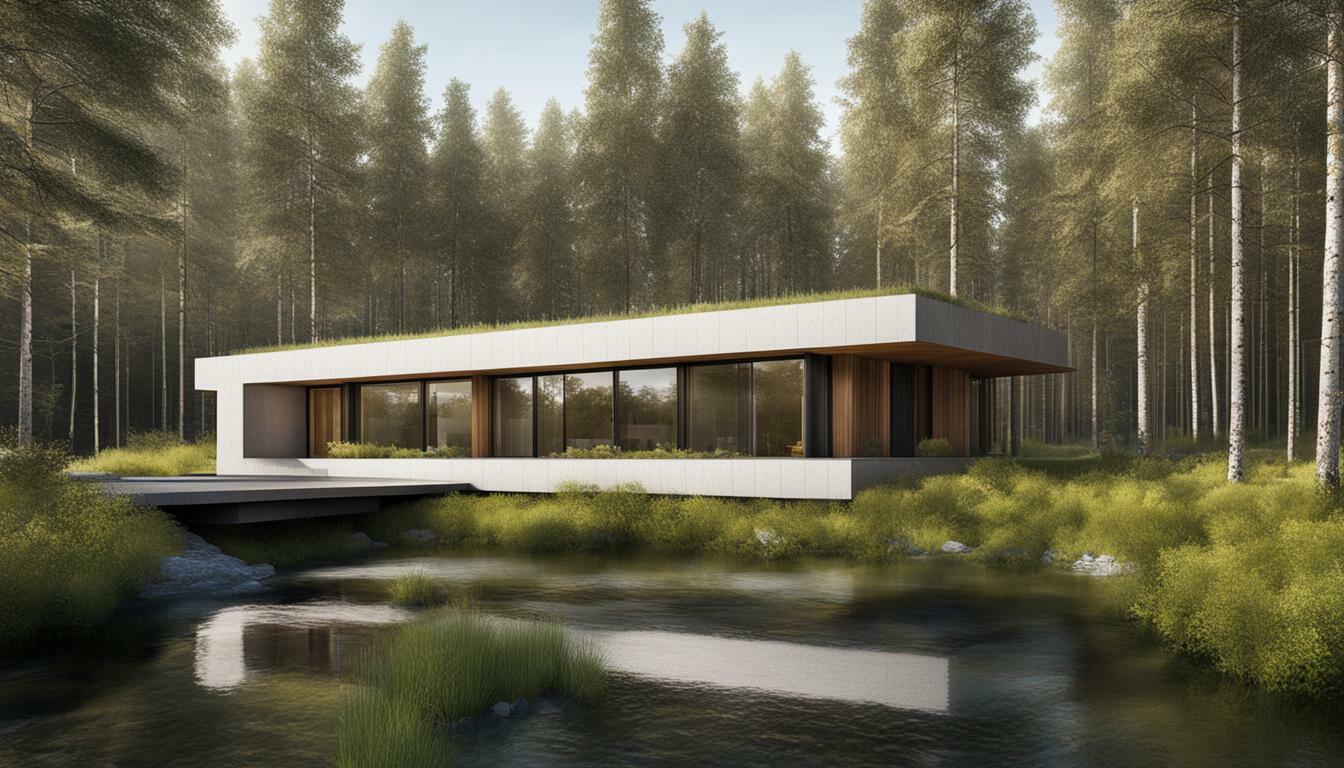
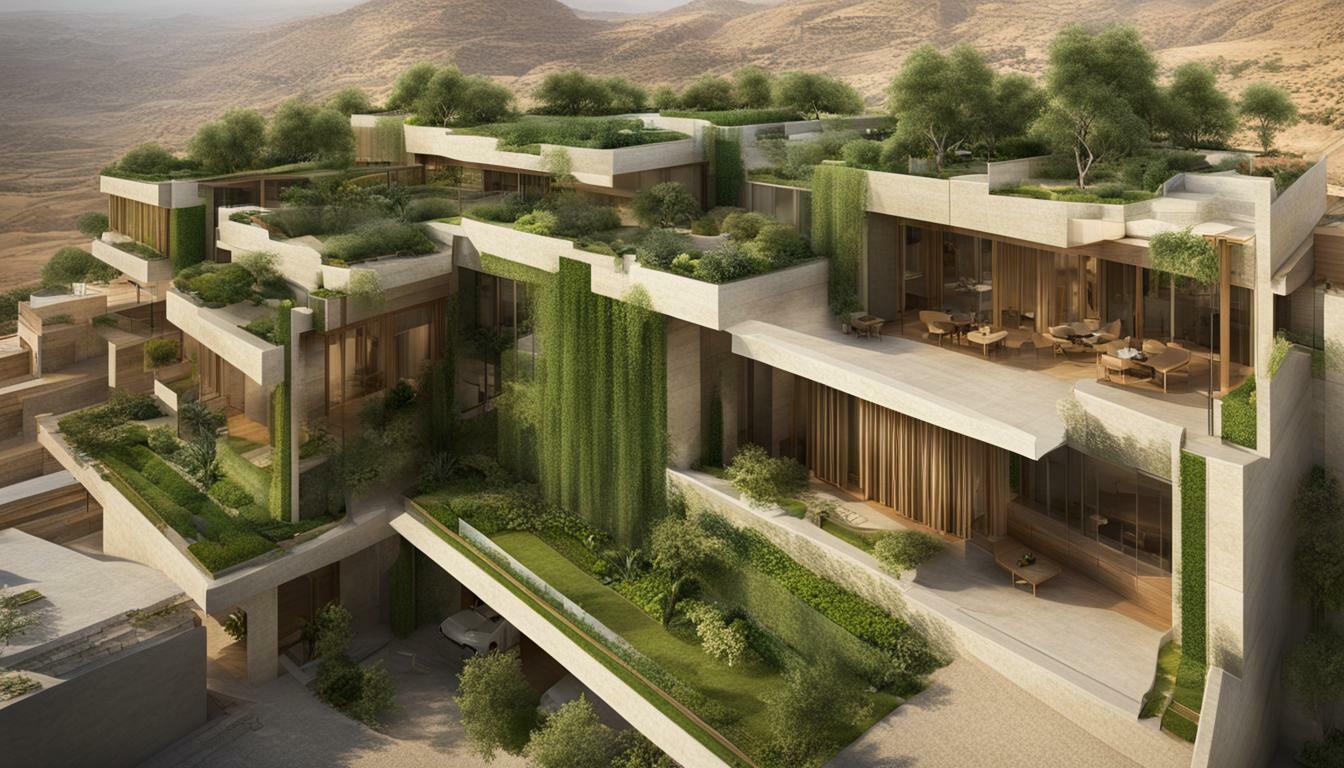
Representación de IA de la historia de la construcción ecológica en Eritrea
Eritrea’s sustainable architecture is not just about preserving the past but also about building a sustainable future. By using materials that are readily available and reducing the reliance on resource-intensive construction methods, Eritrea sets an example for other nations striving to achieve sustainable development and eco-friendly design.
Regulaciones y Protección Ambiental
Eritrea has implemented various regulations and measures to ensure environmental protection and sustainable development. The government recognises the importance of preserving its natural resources and para el bienestar de las generaciones presentes y futuras.
One of the key areas of focus has been the regulation of plastic bags. Eritrea has taken a proactive approach by prohibiting the production and distribution of plastic bags. This measure aims to reduce plastic waste and its detrimental impact on the environment, including the pollution of land and water sources. By limiting the use of plastic bags, Eritrea is promoting eco-friendly alternatives and encouraging a shift towards more sustainable practices.
Eritrea has also prioritised the regulation of pesticides to protect both human health and the environment. The government has established strict guidelines for the importation and use of pesticides to ensure their safe and responsible application. This measure helps to minimise the negative effects of chemical pesticides on ecosystems and promotes the use of environmentally friendly alternatives.
Additionally, Eritrea has established comprehensive water resource management strategies. The government has implemented measures to ensure the sustainable use of water, including the development of irrigation systems, the construction of water reservoirs, and the promotion of water conservation practices. These initiatives aim to address water scarcity and promote the efficient use of this vital resource.
Gestión y Rehabilitación Ambiental
Recognising the importance of environmental management and rehabilitation, Eritrea has put in place a framework to protect its biodiversity and promote sustainable development. The government has established institutions and programmes dedicated to addressing environmental issues, such as land degradation, deforestation, and wildlife conservation.
Through community involvement and education, Eritrea encourages local communities to actively participate in conservation efforts. This includes initiatives focused on soil and water conservation, as well as tree planting projects. By involving communities, Eritrea aims to foster a sense of ownership and responsibility towards the environment, ensuring the long-term success of these conservation efforts.
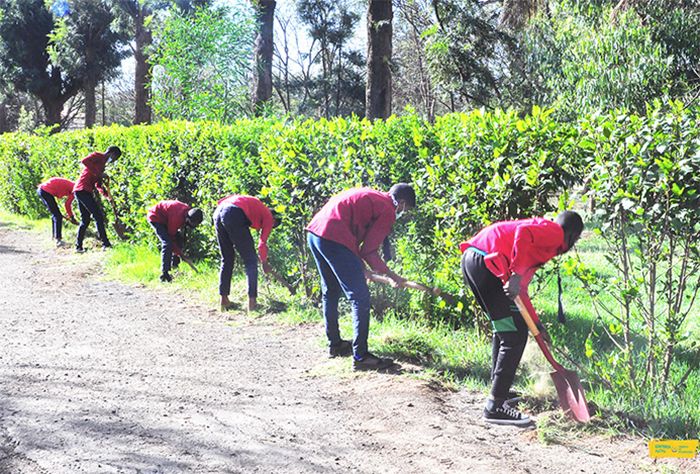
Los eritreos tienen un profundo sentido de participación pública. Foto cortesía de Ministerio de Información de Eritrea
Overall, Eritrea’s commitment to environmental protection and sustainable development is evident through its regulations, resource management strategies, and community-led conservation initiatives. By taking a proactive approach, Eritrea is working towards a greener future, where the country’s natural resources are preserved and its biodiversity is protected.

| Environmental Regulations and Measures | Generar impacto |
|---|---|
| Prohibición de la producción y distribución de bolsas de plástico | Reduce los residuos plásticos y la contaminación de la tierra y las fuentes de agua. |
| Regulación de pesticidas | Garantiza un uso seguro y responsable, minimizando los efectos negativos sobre los ecosistemas. |
| Gestión de los recursos hídricos | Promueve el uso sostenible del agua y aborda la escasez de agua |
El compromiso de Eritrea con la protección del medio ambiente y el desarrollo sostenible es evidente en su enfoque proactivo en materia de regulación y gestión de recursos.
Historia de la construcción sustentable en Eritrea
Eritrea actively promotes community-led conservation efforts and tree planting initiatives to combat deforestation and foster a sustainable environment. Recognising the importance of preserving its natural resources, the country has implemented various initiatives to protect its rich biodiversity and promote sustainable development.
One of the key initiatives is community-led soil and water conservation. Eritrea encourages local communities to actively participate in the conservation and restoration of soil and water resources. These efforts involve the construction of terraces, check dams, and other structures to prevent erosion and improve water infiltration. By involving the community, Eritrea ensures the long-term success and sustainability of these conservation projects.
In addition to soil and water conservation, Eritrea emphasises tree planting initiatives. The country recognises the role of trees in combating deforestation, promoting carbon sequestration, and enhancing ecosystem health. Through community involvement, Eritrea encourages the planting of trees in both rural and urban areas, contributing to the restoration of forests and the creation of green spaces.

Furthermore, Eritrea has implemented sustainable construction techniques and practices to support its commitment to green building. The use of eco-friendly materials, energy-efficient design, and waste reduction strategies are integral to Eritrea’s approach to sustainable construction. By incorporating green infrastructure and sustainable architecture, Eritrea not only reduces its environmental footprint but also creates healthier and more livable spaces for its citizens.
Resumen
Eritrea’s green building history showcases a harmonious blend of modernist influences, traditional architectural practices, and a strong commitment to environmental sustainability. From the preservation of historic modernist buildings to the use of sustainable building materials, Eritrea has made significant strides in promoting eco-friendly construction and community-led conservation efforts. Through its initiatives, Eritrea aims to protect its natural resources, combat deforestation, and create a sustainable future for generations to come.
Conclusión
La historia de la construcción sustentable de Eritrea muestra una combinación de influencias modernistas, prácticas arquitectónicas tradicionales y un fuerte compromiso con la sostenibilidad ambiental. El patrimonio arquitectónico del país es evidente en los edificios modernistas de Asmara, como la emblemática gasolinera Fiat Tagliero y el Ayuntamiento, que han sido reconocidos como de importancia cultural por la UNESCO.
A lo largo de su historia, Eritrea ha adoptado materiales de construcción sostenibles, y los ladrillos de barro, la piedra y la madera se utilizan comúnmente en la construcción de casas residenciales y estructuras importantes como templos. Incluso en los edificios modernos se incorporan elementos arquitectónicos tradicionales, preservando el rico patrimonio del país.
Eritrea también ha dado pasos importantes hacia la protección del medio ambiente, implementando regulaciones para restringir el uso de bolsas de plástico y pesticidas, además de garantizar la gestión sostenible de los recursos hídricos. El país ha establecido un marco sólido para la gestión y rehabilitación ambiental, lo que demuestra su compromiso con la protección de la biodiversidad y la promoción del desarrollo sostenible.
Para abordar el desafío de la deforestación, Eritrea ha alentado activamente los esfuerzos comunitarios de conservación del suelo y el agua, junto con iniciativas de plantación de árboles. Estas iniciativas son cruciales para crear un entorno más saludable y sostenible para las generaciones actuales y futuras.
En resumen, la historia de la construcción sustentable de Eritrea es un testimonio de su capacidad para combinar influencias modernistas, prácticas arquitectónicas tradicionales y un fuerte compromiso con la sostenibilidad ambiental. Con su enfoque en la preservación del patrimonio y la protección del medio ambiente, Eritrea sirve como inspiración para el desarrollo sostenible en el campo de la arquitectura y la construcción.
Preguntas Frecuentes
¿Cuál es la historia de las prácticas de construcción sustentable en Eritrea?
Eritrea tiene una rica historia de prácticas de construcción sustentable, influenciadas por su pasado colonial y su arquitectura tradicional. El patrimonio arquitectónico del país incluye edificios modernistas del período colonial italiano y el uso de materiales de construcción sostenibles en la construcción tradicional.
¿Cuáles son algunos edificios modernistas notables en Eritrea?
Algunos edificios modernistas notables en Eritrea incluyen la gasolinera Fiat Tagliero y el Ayuntamiento de Asmara. Estos edificios, que datan de mediados del siglo XX, están reconocidos como culturalmente importantes por la UNESCO.
¿Qué materiales de construcción sostenibles se han utilizado en Eritrea?
Eritrea ha utilizado tradicionalmente ladrillos de barro, piedra y madera como materiales primarios para la construcción de casas residenciales y estructuras importantes como templos. Estos materiales de construcción sostenibles todavía se incorporan a los edificios modernos, preservando el patrimonio arquitectónico del país.
¿Qué regulaciones y protecciones ambientales existen en Eritrea?
El gobierno de Eritrea ha implementado regulaciones para prohibir la producción y distribución de bolsas de plástico, regular la importación y el uso de pesticidas y garantizar la gestión sostenible de los recursos hídricos. El país también ha establecido un marco para la gestión y rehabilitación ambiental para proteger la biodiversidad y promover el desarrollo sostenible.
¿Qué esfuerzos de conservación se están realizando en Eritrea?
Eritrea está promoviendo esfuerzos comunitarios de conservación del suelo y el agua para abordar la deforestación y fomentar iniciativas de plantación de árboles. Estas iniciativas tienen como objetivo crear un entorno más saludable para las generaciones presentes y futuras en Eritrea.
Imagen principal a la izquierda.
Por mí, Sailko, CC BY-SA 3.0, Enlace